How to Start a
Private K-12 School
in the United States
From college prep academies to Montessori schools, faith-based campuses to STEM institutions — private K-12 education is a distinct regulatory world with unique opportunities and a clear path to accreditation.
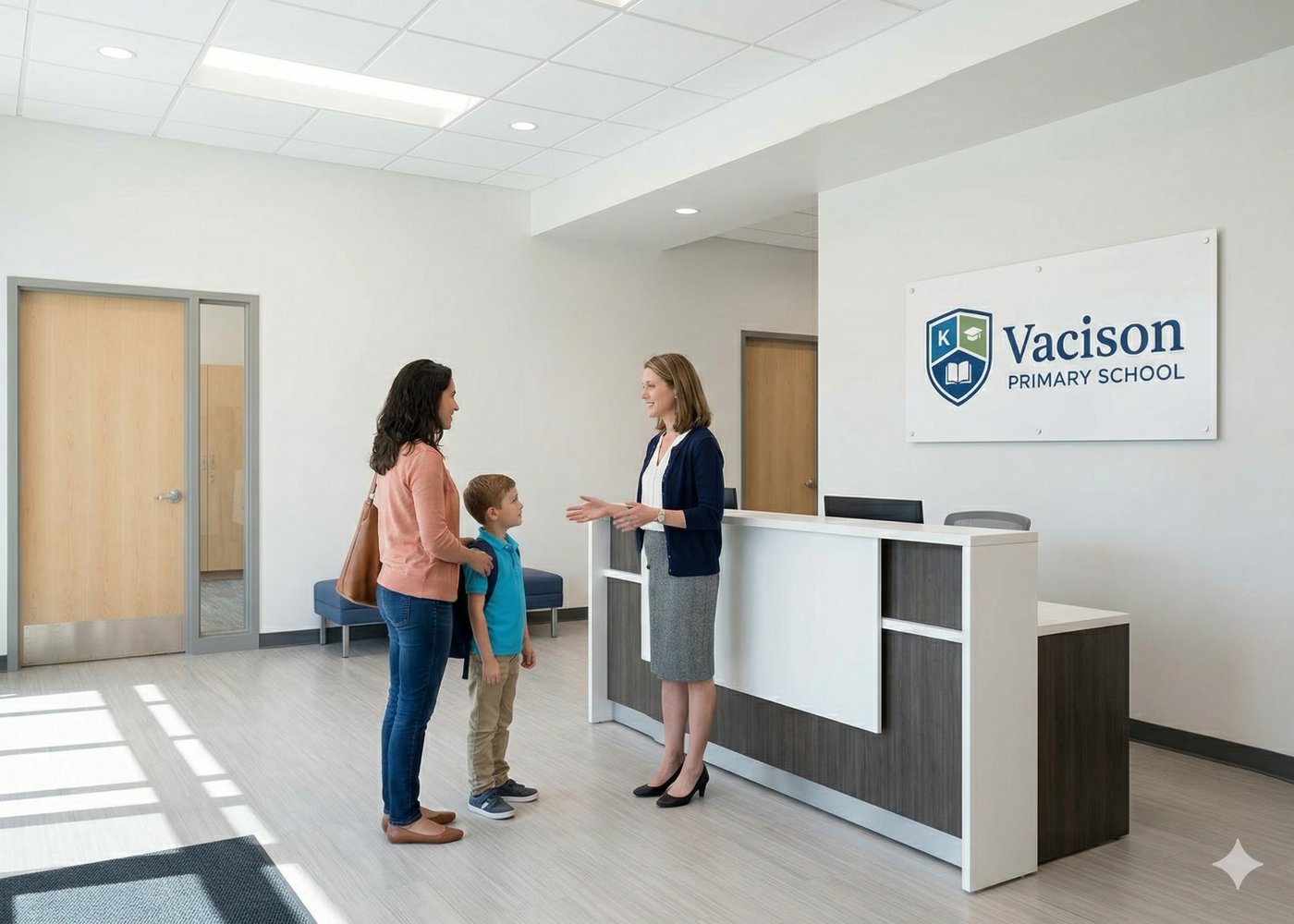
K-12 private schools are overseen by the state Department of Education — not the postsecondary agency that licenses universities. If your school has both K-12 and postsecondary components, you may interact with both agencies.
K-12 schools operate within the framework of state compulsory education laws. They must meet the state's requirements for what constitutes a valid educational experience for school-age children — including minimum instructional days and core subject coverage.
Private schools in many states are NOT required to hire state-licensed teachers. However, all states universally require criminal background checks for every adult working with children — without exception.
K-12 accreditation is provided by different bodies than postsecondary accreditors — primarily Cognia (formerly AdvancED), regional independent school associations, and faith-based accreditors (ACSI, CISNA).
Before engaging with any regulatory process, clearly define your educational philosophy, grade levels, target student population, and governance structure. Starting with a subset of grades (K-5, then expanding) is often the most financially manageable approach.
Every state requires private schools to meet minimum legal requirements. The process ranges from simple notification (filing basic school information with the state DOE) to formal approval (a full licensing review including facility inspection, curriculum review, and leadership credentials). States with rigorous oversight include New York, California, Maryland, and Massachusetts.
Private K-12 schools have significant curriculum flexibility, but must cover core subjects (ELA, Math, Science, Social Studies, PE) and meet minimum annual instructional time (170–180 days or 900–1,000 hours). High school diplomas must meet state credit hour requirements in specific subjects.
In most states, private school teachers are not required to hold state certificates — your school sets its own standards. However, all adults working with children must pass criminal background checks in every state. Administrator qualifications matter significantly for accreditation applications.
Accreditation dramatically expands your school's appeal — military families require it, college admissions officers recognize it, and grant-making foundations often fund only accredited schools. Apply for accreditation candidacy in your first or second year of operation.
Formerly AdvancED / NCA / SACS
The largest K-12 accrediting organization in the world, accrediting 36,000+ institutions globally. Cognia accreditation is widely recognized by U.S. colleges, universities, and military services. The process involves a comprehensive self-study and peer review.
Association of Christian Schools International
ACSI accredits K-12 schools with an explicitly faith-integrated educational approach. ACSI understands and supports the integration of faith with academic learning in ways that secular accreditors are not structured to evaluate.
National & Regional Independent School Associations
NAIS and regional associations — NEASC (New England), SAIS (Southern), WASC (Western) — provide accreditation particularly valued by college prep schools. The gold standard for elite independent school credentialing.
Do I need a teaching license to open a private K-12 school?
In most states, private school founders do not need a teaching license and private schools are not required to hire state-certified teachers. However, all states universally require criminal background checks for every adult working with children, and some states mandate teacher certification for specific subjects or grade levels.
How many students do I need to open a private school?
There is no minimum enrollment requirement in most states. Financial sustainability typically requires 50–100 students for a small school. Most new private schools open with a founding class of 20–40 students and grow enrollment steadily over 3–5 years.
Can I start a private school for students with special needs?
Yes. Private special education schools can contract with public school districts to serve students with IEPs (Individualized Education Programs), which can be a significant and stable revenue stream. Additional state certification for special education programming typically applies.
Can international students attend a private K-12 school in the US?
Yes, but only if the school holds SEVP certification from DHS. SEVP certification requires state authorization to be in place first. Many private boarding schools pursue SEVP certification to access the international student market, which commands premium tuition rates.
What is the difference between a charter school and a private school?
Charter schools are publicly funded and tuition-free but subject to public accountability requirements. Private schools are independently funded through tuition and fundraising, with significantly greater autonomy over curriculum, admissions, tuition levels, and staffing decisions.
Does EEC work with K-12 private school founders?
Yes. EEC works with private K-12 founders on state authorization strategy, accreditation planning, and institutional development. Founders with a combined K-12 and postsecondary vision benefit particularly from EEC's expertise spanning both regulatory frameworks.
Ready to Open Your Private School?
EEC guides K-12 founders through state authorization, accreditation planning, and long-term institutional strategy — from your first meeting to opening day.